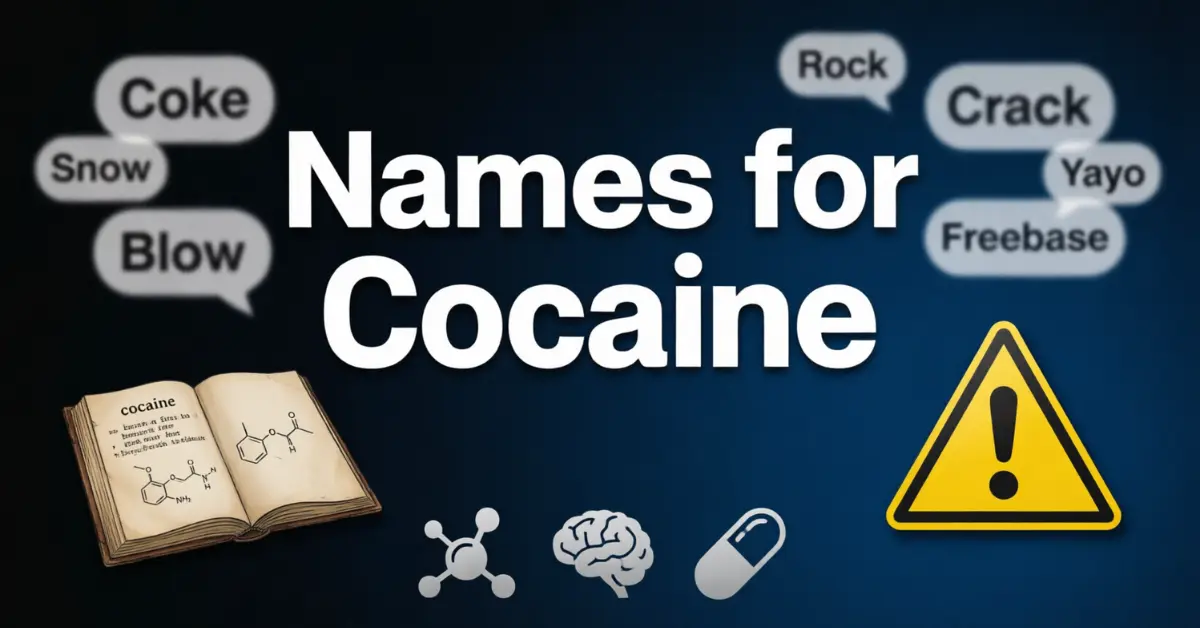
Names For Cocaine are widely searched because people often come across different slang terms in movies, music, news reports, and online discussions. Understanding these names can help readers recognize common references and learn how language changes across cultures and communities.
This guide explores Names For Cocaine for educational and informational purposes only. Here, you’ll discover popular street names, historical terms, regional nicknames, and modern slang, along with simple explanations of their meanings and origins.
If you’re writing, researching, or simply curious, this collection makes the topic easier to understand. Moreover, each section is organized to help you quickly find the information you need.
By the end of this guide, you’ll have a better understanding of Names For Cocaine, how these terms are used, and why Names For Cocaine continue to evolve over time
🌿 What Is Cocaine?
Cocaine is a powerful stimulant drug made from the leaves of the coca plant, which grows mainly in South America. It speeds up activity in the brain and nervous system, creating a temporary feeling of energy and alertness.
Although it has limited medical use in certain procedures under strict supervision, recreational cocaine use is illegal in most countries because of its high risk of addiction and serious health dangers.
Key Facts:
- Origin: Coca plant leaves
- Drug Type: Central nervous system stimulant
- Common Forms:
- White powder
- Crack cocaine (solid crystal form)
- Legal Status:
- Illegal for recreational use in most countries
- Risk Level:
- Highly addictive
📜 The History of Cocaine
People have used coca leaves for thousands of years in South America. Indigenous communities traditionally chewed the leaves to reduce fatigue and hunger during long workdays.
In the 1800s, scientists extracted cocaine from coca leaves. At first, doctors believed it could be useful as a medicine. It appeared in some medicines and even early soft drinks before researchers discovered its addictive nature.
As scientific evidence grew, governments introduced strict laws to control cocaine because of its harmful effects on health and society.
Timeline:
- Ancient Times – Coca leaves used traditionally.
- 1850s – Cocaine extracted by scientists.
- Late 1800s – Used in some medicines.
- Early 1900s – Countries began restricting its use.
- Today – Strictly controlled because of addiction and health risks.
🧠 How Cocaine Affects the Brain
Cocaine causes a rapid increase in dopamine, a brain chemical linked to pleasure and reward.
This sudden dopamine surge creates intense but short-lived feelings of confidence, energy, and excitement. Because the feeling fades quickly, some people repeatedly use the drug, increasing the risk of addiction.
Over time, the brain becomes less responsive to natural rewards, making it difficult to feel pleasure without the drug.
Brain Effects
- Increases dopamine
- Creates temporary euphoria
- Speeds up thinking
- Reduces tiredness
- Increases confidence
- Raises addiction risk
⚡ Short Term Effects of Cocaine
The effects usually begin within minutes and may last from several minutes to about an hour depending on how the drug is used.
Common Short-Term Effects
- Increased energy
- Faster heartbeat
- Higher blood pressure
- Dilated pupils
- Reduced appetite
- Feeling overly confident
- Restlessness
- Anxiety
- Irritability
- Difficulty sleeping
Not everyone experiences the same effects, and higher doses increase the risk of medical emergencies.
❤️ Long Term Health Risks
Repeated cocaine use can seriously damage many parts of the body.
Physical Risks
- Heart disease
- Heart attack
- Stroke
- High blood pressure
- Lung damage
- Nose damage (from snorting)
- Weight loss
- Digestive problems
- Kidney damage
- Increased risk of infections
Mental Health Risks
- Depression
- Anxiety
- Panic attacks
- Memory problems
- Difficulty concentrating
- Mood swings
- Aggressive behavior
- Paranoia
- Hallucinations
- Increased addiction severity
🚨 Signs of Cocaine Addiction
Cocaine addiction can develop over time. Some people begin using it occasionally but gradually lose control. Addiction affects physical health, mental well-being, relationships, work, and finances.
Common Warning Signs
- Strong cravings for cocaine
- Using more than planned
- Spending large amounts of money on the drug
- Ignoring family or work responsibilities
- Mood changes and irritability
- Trouble sleeping
- Loss of interest in hobbies
- Risky behavior to obtain cocaine
- Failed attempts to quit
- Continuing to use despite health problems
Recognizing these warning signs early can help someone seek treatment before the addiction becomes more severe.
⚠️ Cocaine Withdrawal Symptoms
When someone who regularly uses cocaine stops, the body and brain need time to adjust. This period is called withdrawal. Symptoms vary from person to person depending on how long and how heavily the drug was used.
Common Withdrawal Symptoms
- Extreme tiredness
- Depression
- Anxiety
- Strong drug cravings
- Difficulty concentrating
- Increased appetite
- Sleep problems
- Vivid or unpleasant dreams
- Irritability
- Low motivation
Withdrawal can be challenging, but professional support greatly improves the chances of recovery.
🏥 Treatment & Recovery Options
Recovery is possible with the right support. Treatment plans are different for every person and often combine medical care, counseling, and long-term support.
Common Treatment Methods
Medical Evaluation
A healthcare professional checks the person’s physical and mental health before creating a treatment plan.
Behavioral Therapy
Counseling helps people understand why they use drugs and teaches healthier ways to manage stress and emotions.
Support Groups
Group meetings provide encouragement from others who are also working toward recovery.
Inpatient Rehabilitation
Some people benefit from staying at a treatment center where they receive around-the-clock care.
Outpatient Programs
Others continue living at home while attending scheduled therapy and treatment sessions.
Family Support
Family members can play an important role by offering encouragement and helping maintain a healthy environment.
🛡️ How to Prevent Cocaine Use
Prevention begins with education and healthy choices. Learning about the dangers of cocaine can help people avoid experimenting with it.
Prevention Tips
- Learn the facts about drugs.
- Avoid peer pressure.
- Build healthy friendships.
- Practice stress management.
- Stay active through sports or hobbies.
- Talk openly with trusted adults.
- Seek help for mental health concerns.
- Avoid environments where drugs are present.
- Make informed decisions.
- Ask for help early if needed.
Even small positive choices can reduce the risk of substance misuse.
⚖️ Myths vs. Facts About Cocaine
Many misconceptions about cocaine still exist. Understanding the facts helps people make informed decisions.
| Myth | Fact |
| Cocaine is not addictive. | Cocaine has a high risk of addiction. |
| Occasional use is always safe. | Even one use can be dangerous for some people. |
| Cocaine improves performance without consequences. | It may briefly increase energy but can seriously harm physical and mental health. |
| Young people recover easily. | Anyone can develop addiction or experience serious health effects. |
| Treatment never works. | Many people successfully recover with professional support and long-term care. |
🌍 Social Impact of Cocaine
Cocaine affects more than the person using it. Families, schools, workplaces, and communities also experience its impact.
Community Effects
- Family conflict
- Financial problems
- Reduced work performance
- Increased healthcare costs
- Crime related to drug trafficking
- School difficulties
- Mental health challenges
- Road safety concerns
- Strained relationships
- Community instability
Education and prevention programs play an important role in reducing these harms.
❤️ Helping Someone With Cocaine Addiction
Supporting a loved one requires patience, understanding, and encouragement.
Ways to Help
- Listen without judgment.
- Encourage professional treatment.
- Learn about addiction.
- Avoid enabling harmful behavior.
- Celebrate recovery milestones.
- Be patient during setbacks.
- Offer emotional support.
- Help create healthy routines.
- Encourage counseling.
- Take care of your own well-being too.
Recovery is often a long process, and support from family and friends can make a meaningful difference.
❓FAQs:
Q1. What is cocaine?
Cocaine is a powerful stimulant drug made from coca plant leaves that affects the brain and nervous system.
Q2. Why is cocaine addictive?
It increases dopamine levels in the brain, creating intense feelings of pleasure that can lead to repeated use.
Q3. What are the short term effects?
Common short term effects include increased energy, faster heartbeat, reduced appetite, anxiety, and elevated blood pressure.
Q4. Can cocaine damage the heart?
Yes. Long term or heavy use increases the risk of heart attack, stroke, and other cardiovascular problems.
Q5. Can someone recover from cocaine addiction?
Yes. With professional treatment, therapy, support groups, and ongoing care, many people achieve long-term recovery.
Q6.What are common withdrawal symptoms?
Withdrawal may include fatigue, depression, anxiety, cravings, sleep problems, and difficulty concentrating.
Q7. Where can someone get help?
Healthcare providers, addiction specialists, mental health professionals, and local treatment programs can provide support and guidance.
✅ Conclusion:
Cocaine is a powerful stimulant that can have serious effects on both physical and mental health. While it may produce short term feelings of energy and confidence, the long term risks including addiction, heart disease, mental health problems, and relationship difficulties are significant. Understanding how cocaine affects the body, recognizing the warning signs of addiction, and knowing that effective treatment is available are important steps toward prevention and recovery. Education, early intervention and professional support can help individuals and families make informed decisions and work toward healthier lives.
Discover More Posts:
- 290+ Heroic Names For Druids: For Every Hero in 2026 🧙
- 340+ Inspiring Names For Movies: That Capture Every Story (2026)📽️
- 345+ Rare Names For Frog: That Make Every Hopper Special (2026)🐸
- 390+ Charming Names For Gardens: To Brighten Your Green Paradise (2026)🌷

I am Dylan Foster, an author at NameInsightt.com and a naming expert dedicated to helping you discover unique, meaningful, and unforgettable names with confidence.